

Here’s How to Become a Wildland Firefighter in Utah
Fire season is starting up across Utah, and that means the need for trained wildland firefighters is growing. With Utah’s closed fire season running from June 1 through Oct. 31, state and federal fire officials are already warning residents about elevated wildfire danger tied to dry conditions, poor snowpack and quickly drying fuels.
Strong Option
For people looking for meaningful seasonal work, becoming a wildland firefighter with the Utah Division of Forestry, Fire and State Lands can be a strong option. These crews help protect communities, watersheds, rangelands and public lands from catastrophic wildfires. They also work on fuel reduction projects, maintain equipment and respond to fires both locally and, at times, outside Utah.
Requirements to Join
The basic requirements are straightforward. Applicants generally must be at least 18 years old, have a high school diploma or GED, hold a valid driver’s license and be legally eligible to work in the United States. Previous firefighting experience is helpful, but many entry-level seasonal positions are open to people who are physically fit, dependable and willing to learn.

Get These Certifications
A key step is earning a wildland fire “Red Card,” also known as an Incident Qualification Card. That typically requires basic fire courses, including S-130, S-190, L-180, ICS-100 and IS-700, along with passing the Pack Test. The Pack Test requires walking 3 miles with a 45-pound pack in 45 minutes or less.
The Benefits
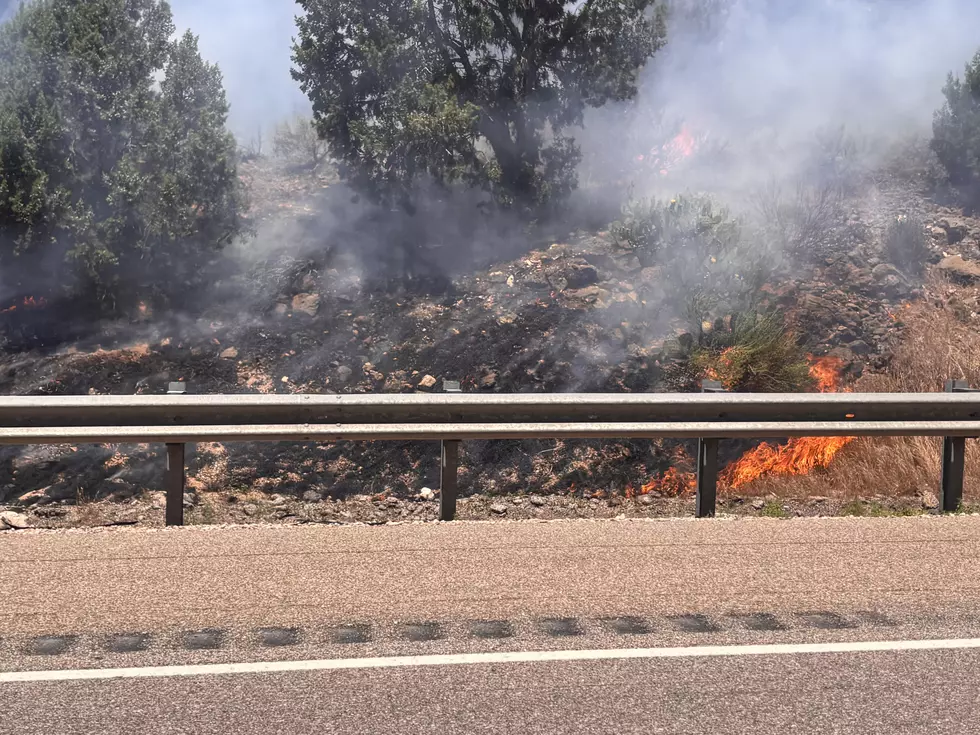
The work is demanding. Fire assignments can last 14 to 21 days, with long shifts, extreme heat and rugged conditions. But the benefits include strong seasonal pay, overtime opportunities, paid food and lodging while on assignment, hands-on training, career growth, and the chance to work on crews ranging from engines to hand crews, fuels crews, helitack, and hotshot crews.
The Pay
Utah DNR/Forestry, Fire and State Lands wildland firefighters are generally paid hourly, with entry-level seasonal positions often starting around $19 to $25 per hour. More experienced roles, such as engine operators or crew supervisors, can move into the mid-$20s to mid-$40s per hour, depending on certifications, experience, and whether the job is seasonal or full-time. Overtime, hazard pay, on-call pay, per diem, paid food and lodging on assignments can significantly increase total earnings during fire season.
How to Sign Up
Anyone interested should watch Utah DNR and FFSL job pages closely. Hiring for the next fire season often begins in the fall and winter, long before the smoke shows up.
LOOK: Most commonly seen birds in Utah
Gallery Credit: Stacker
More From 106.1 KDXU


